

Generosity does not mean giving me something you need less than I do, but giving me something you need more than I do.
Kahlil Gibran
Generosity, or the joy of giving, is as old as humanity itself, embedded in the fabric of our societies and cultures. At its core, generosity reflects altruism, compassion, and empathy, motivating individuals and communities to lend a helping hand to those in need. In a world marked by inequality, poverty, and suffering, the importance of generosity cannot be overstated. It is a beacon of hope, lighting the way to a better and more compassionate world.
At its core, generosity encompasses a wide range of actions, from simple acts of kindness to large-scale philanthropic efforts. Whether it is donating money to a worthy cause, volunteering at a local shelter, or listening attentively to someone in need, every act of kindness has the potential for profound impact, transcending all boundaries and uniting people in a shared commitment to alleviate suffering and promote human dignity.
One of the most remarkable aspects of generosity is its ability to create a ripple effect. A single act of kindness has the power to inspire others, triggering a chain reaction of generosity and engagement. When people witness the transformative impact of generosity, they are motivated to spread it around them, amplifying its reach and influence. In this way, generosity becomes a catalyst for social change, promoting a culture of empathy and solidarity that transcends barriers and generates a sense of belonging to a community.
Charitable actions are a lifeline for marginalized and vulnerable populations, providing them with support and assistance. From providing food and shelter to those experiencing homelessness to funding medical research for life-threatening diseases, charities are the advocates for the voiceless, defending their rights in a world that often ignores their plight.
Generosity is not just about material assistance; it also incorporates the intangible gifts of compassion and camaraderie. Sometimes, the greatest act of kindness is simply being there for someone in their time of need, offering empathy, understanding, and a shoulder to lean on. In a world where loneliness and isolation are ever-present, the gift of human connection can be a profound source of comfort and solace.
Furthermore, generosity is not only about giving, but also about receiving. When we engage in charitable acts, we experience a deep sense of fulfillment and purpose that transcends material well-being. The joy that comes from knowing we have made a positive difference in someone’s life is immeasurable, enriching our own lives in the process. By giving of ourselves, we discover our own capacity for empathy and compassion, gaining a deeper understanding of the value of the interconnectedness of all humanity.
It is important to recognize that generosity is not a panacea for all of society’s ills. While it can meet immediate needs and provide temporary relief, it cannot alone solve systemic problems such as poverty, inequality, and injustice. However, generosity can serve as a catalyst for broader social change by raising awareness, mobilizing resources, and supporting policy reforms.
I conclude by emphasizing that generosity is a powerful force for good, embodying the best aspects of human nature—empathy, compassion, and solidarity. Through small acts of kindness or large-scale philanthropic initiatives, each of us has the ability to make a difference in the lives of others. By embracing the spirit of charity and working together toward a common goal, we can create a better world for us all.
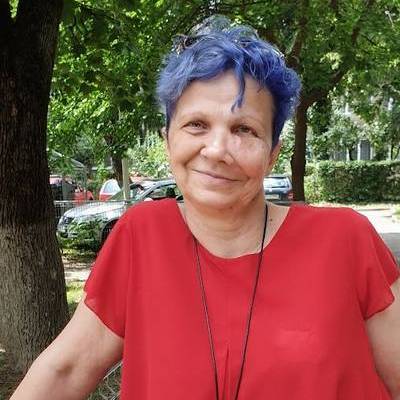
Tripon Simona
My passion is to help those around me discover their unique beauty and plan their lives creatively, based on what they have discovered about themselves. All this so that they can live their lives freely and authentically.
News and updates
Stay connected with us and we will keep you updated on the foundation's activities. This way we can find a way to collaborate and support each other.